Press Kit
A Documentary Feature
The Hollywood Blacklist
The Survivors Tell Their Stories
In the shadow of the Cold War, the House Un-American Activities Committee turned its attention on Hollywood. Writers, directors, and actors were summoned, questioned, and forced to choose between betraying their colleagues and losing their careers. The Hollywood Blacklist: The Survivors Tell Their Stories brings together the voices of those who lived through that era—from members of the Hollywood Ten to actors, screenwriters, and witnesses who refused to be silenced.
In the immediate aftermath of the Second World War, as the United States and the Soviet Union settled into an uneasy global standoff, a different kind of conflict was erupting on American soil. This was not fought with armies or missiles, but with subpoenas, innuendo, and the weaponization of fear. Hollywood, the dream factory that had become one of America's most powerful cultural exports, found itself in the crosshairs of a political crusade that would destroy careers, fracture friendships, and leave an indelible scar on the nation's artistic conscience.
At the centre of this assault was the House Un-American Activities Committee, commonly known as HUAC, a congressional body originally created to investigate Nazi propaganda and wartime sabotage, which by the late 1940s had redirected its energies toward the supposed communist infiltration of American motion pictures. The charge was absurd on its face, but in an era of loyalty oaths, informants, and newspaper headlines, absurdity was no defence. What HUAC really offered was a spectacle: the public humiliation of creative people before a national audience, and a test of political obedience that would divide the industry for more than a decade.
At the heart of the film are the men and women who were summoned. Some were members of the Hollywood Ten, the group of screenwriters and directors who refused to answer the committee's questions about their political affiliations, citing their First Amendment rights to free speech and association. Their defiance was neither spontaneous nor naive. When HUAC demanded that they confirm or deny their membership and name others who had been involved, they refused. For that refusal, they were cited for contempt of Congress, tried, convicted, and sentenced to prison. When they were released, they discovered that their real punishment had only begun. The major studios, eager to protect their investments and avoid controversy, issued the Waldorf Statement in November 1947, announcing that the Hollywood Ten would be fired and that no studio would knowingly employ a communist. The blacklist was born.
But The Hollywood Blacklist: The Survivors Tell Their Stories is not only the story of the Hollywood Ten. The film widens its lens to include the many others who found themselves caught in the machinery of suspicion: actors who watched their contracts evaporate, directors who could no longer get financing, and screenwriters who were forced to sell their work under false names or through front writers. The documentary's great achievement is its insistence on the human texture of these events, allowing each survivor to speak in their own voice, to explain, to justify, to regret.
The film also traces the geographical and professional exile that followed. For some, the only option was to leave the United States altogether. For others, exile meant remaining in the country but disappearing from public view. The impact of the blacklist on American cinema is explored in depth: the films of the late 1940s and 1950s cannot be fully understood without reference to the political terror that gripped their creators. The blacklist did not merely punish individuals; it chilled an entire art form, narrowing the range of permissible stories and encouraging a culture of self-censorship that would persist long after the hearings had ended.
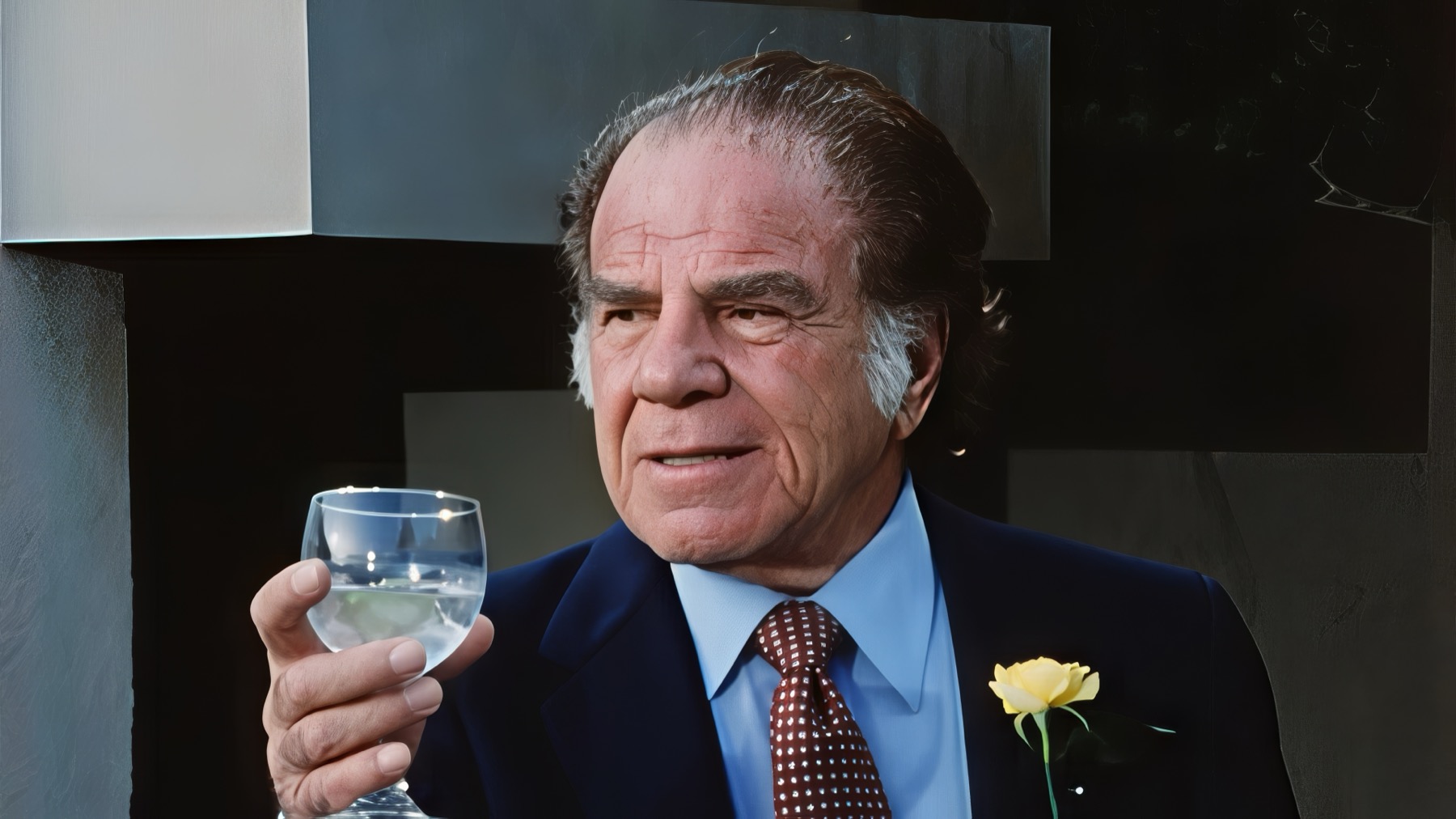
The banquet scene was filmed at the Hollyhock House in Los Feliz, a landmark residence designed by Frank Lloyd Wright.
Christopher Jones is an American filmmaker who has long worked in German, Italian, and French television. He maintains strong ties in these regions and speaks fluent German. As a historian, he quickly grasped the importance of accessing compelling archival material while also recognizing the potential for co-productions. Born into a Hollywood family—and the nephew of the renowned cinematographer Ray Tamargo—he pursued his passion for documentary filmmaking while learning the craft in Europe.
Marie-Dominique Montel is an acclaimed French author-director whose career spans history, science, cinema, and literature. Her extensive filmography includes collaborations with Christopher Jones on such documentaries as Stierlitz, le James Bond russe, Romanov, la contre-enquête, and Totalement Toto, le grand comique italien. She has served as a presenter and editor for France 2, France 3, Europe 1, and France-Musique, and is President of the Académie de Saintonge. She holds a Maîtrise d'Histoire from Université Paris IV, is bilingual in English, and speaks fluent Italian.
Blake Jones is a world-renowned colorist with over 30 years of experience across film, television, and commercial post-production. He began as a tape operator in Hollywood before becoming a senior colorist, later working as Condor Post Production's Senior Colorist and Technical Director in Amsterdam, and as Director of Training at Pandora International. He authored the Pogle color-corrector operator manual, the daVinci Resolve operator manual, and two Focal Press books: Film into Video: A Guide to Merging the Technologies and Video Color Correction for Non-Linear Editors: A Step By Step Guide. His credits include the DI restoration of the official Olympic films for the IOC and more than 160 feature films including 2001: A Space Odyssey, Poltergeist, and A Nightmare on Elm Street.
All stills are available for download in high resolution via the Dropbox press assets link below. Images are © 2026 Cloud Studio SAS.
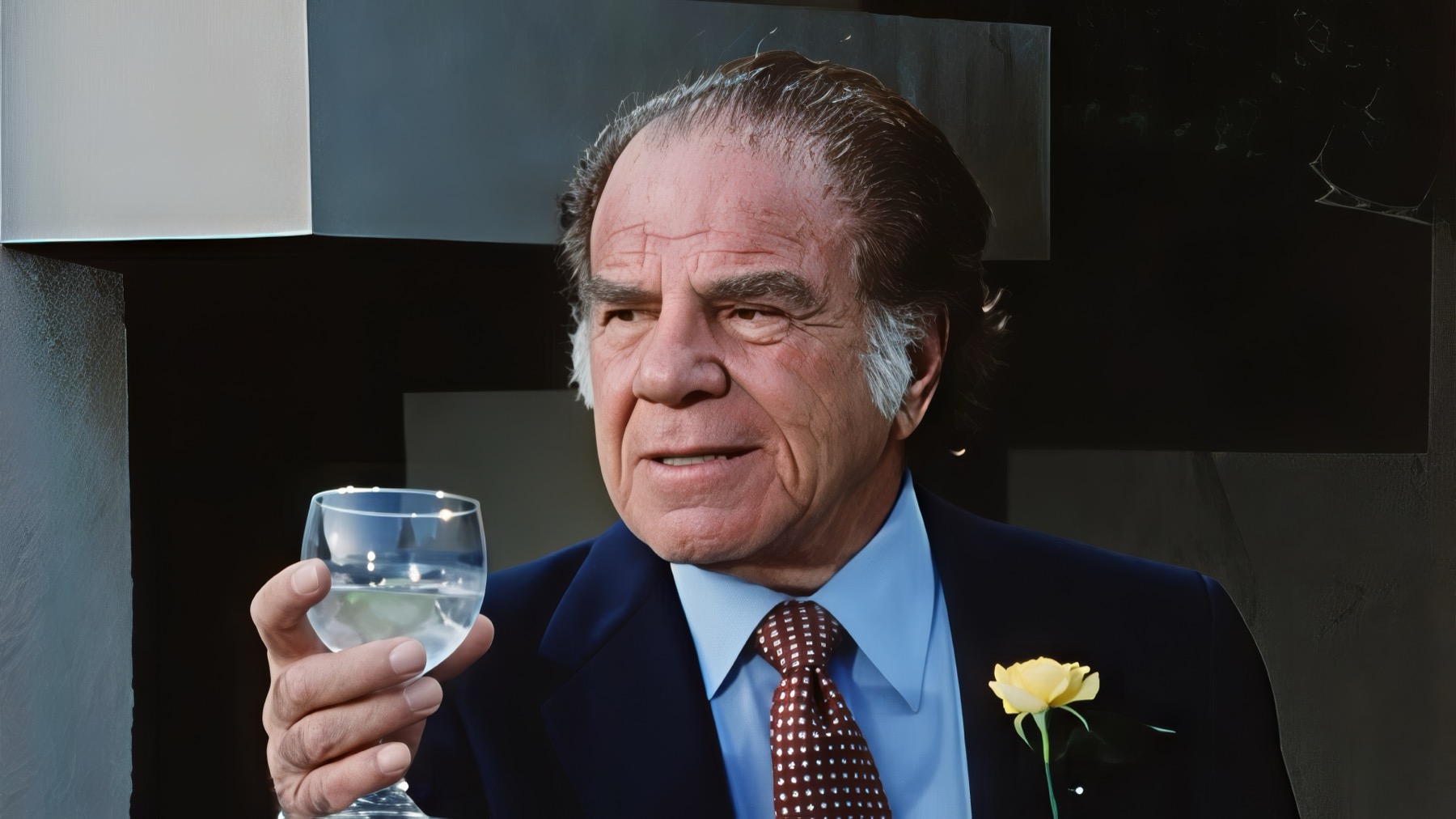
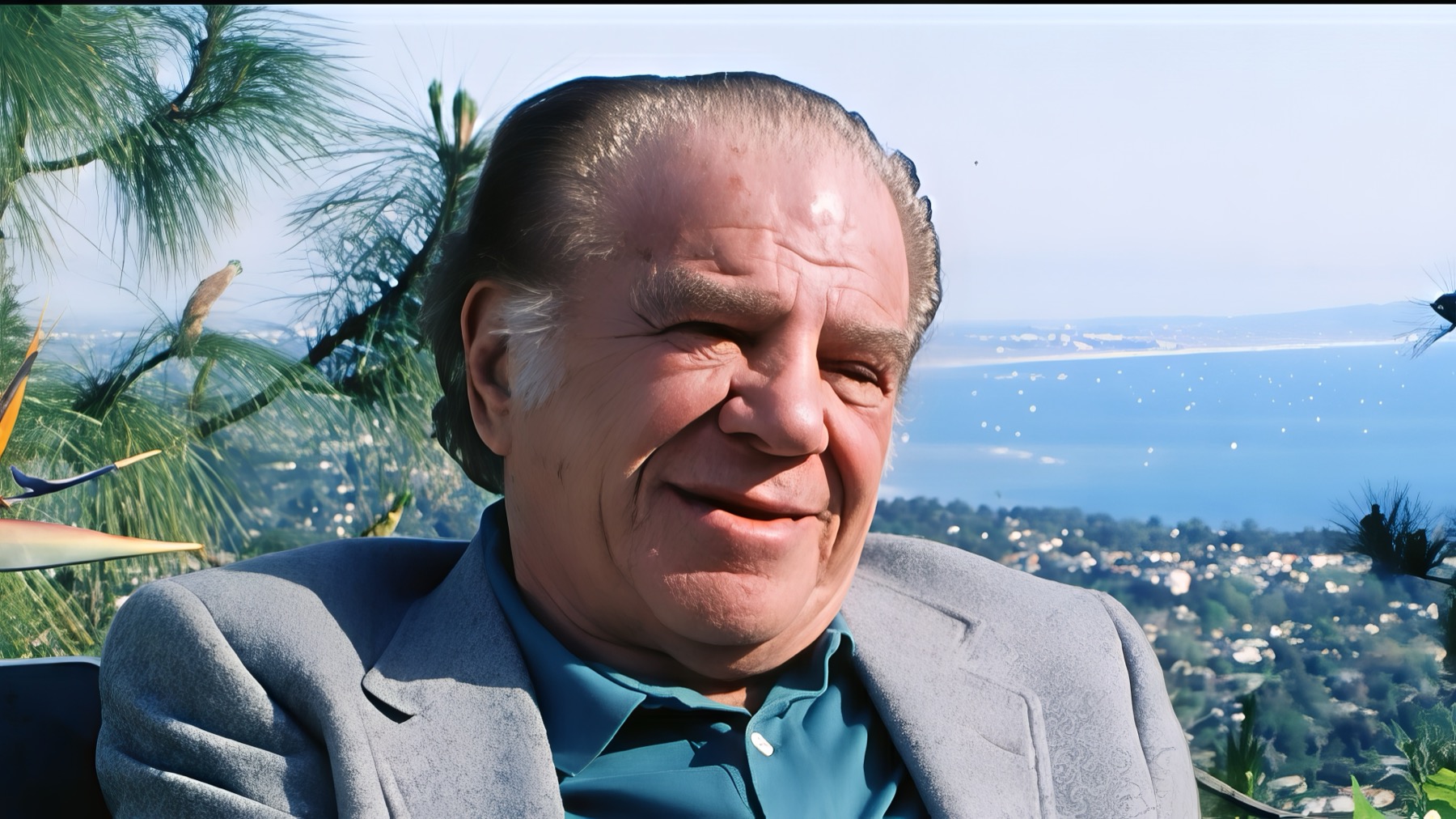
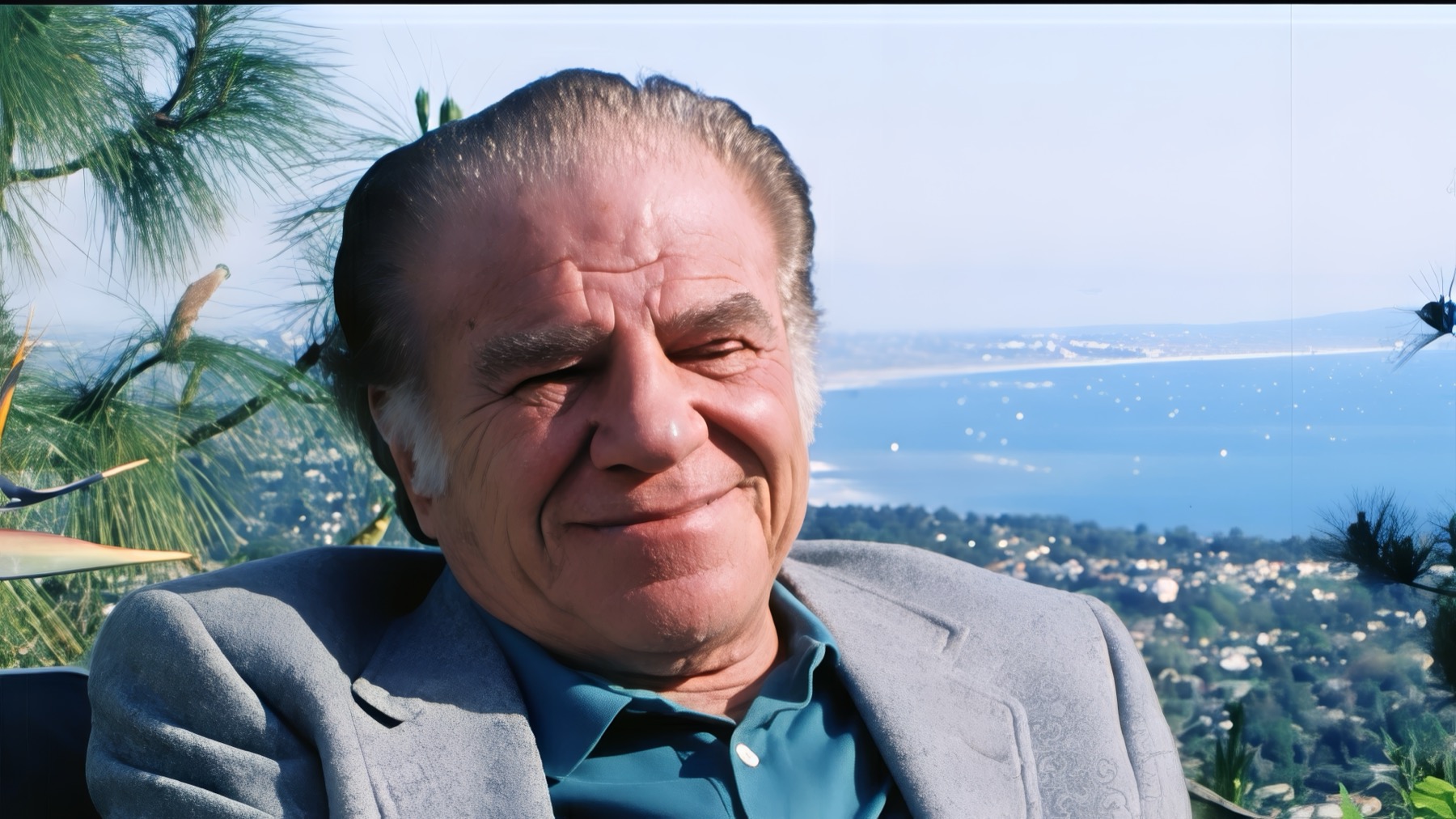
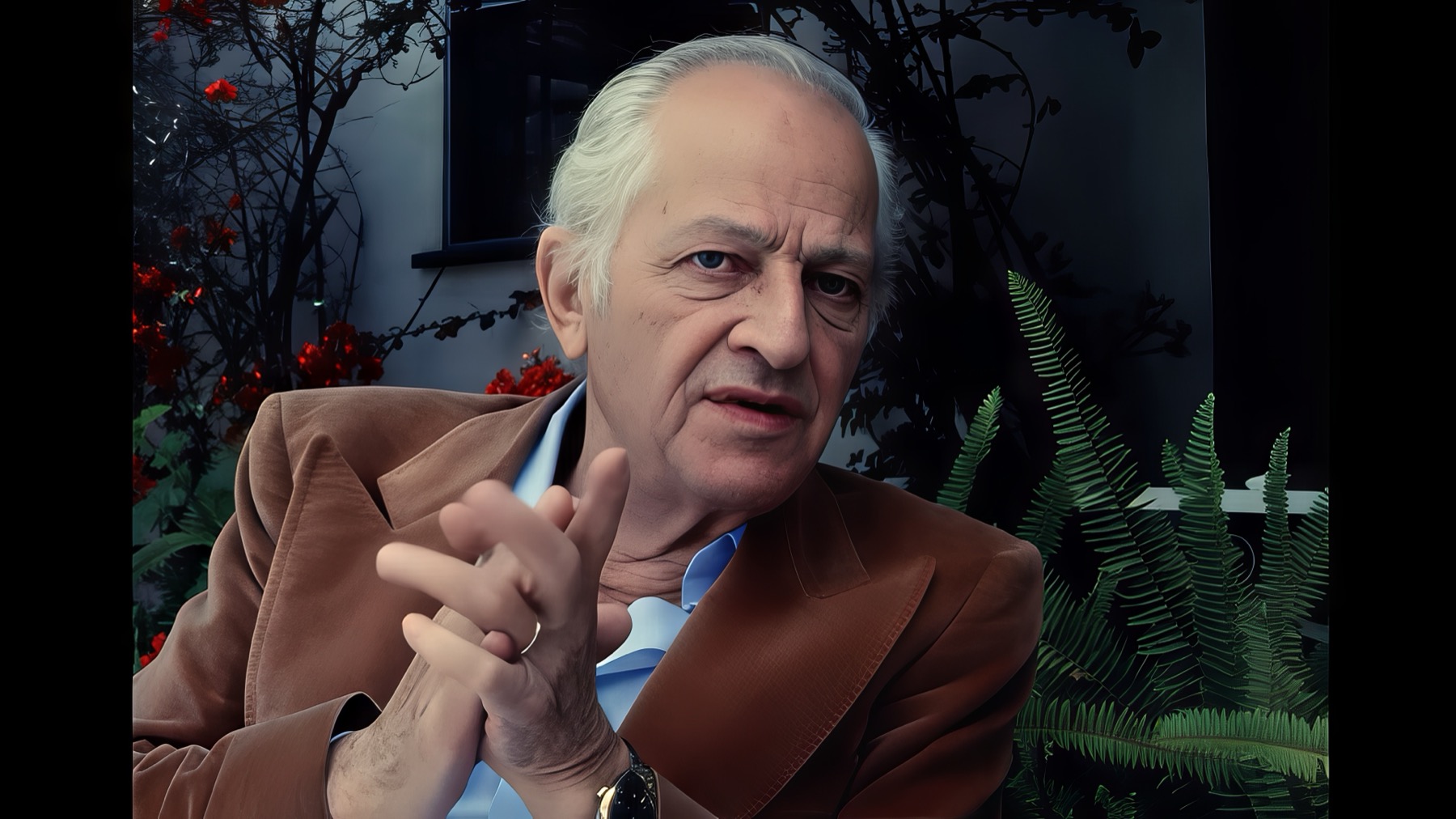
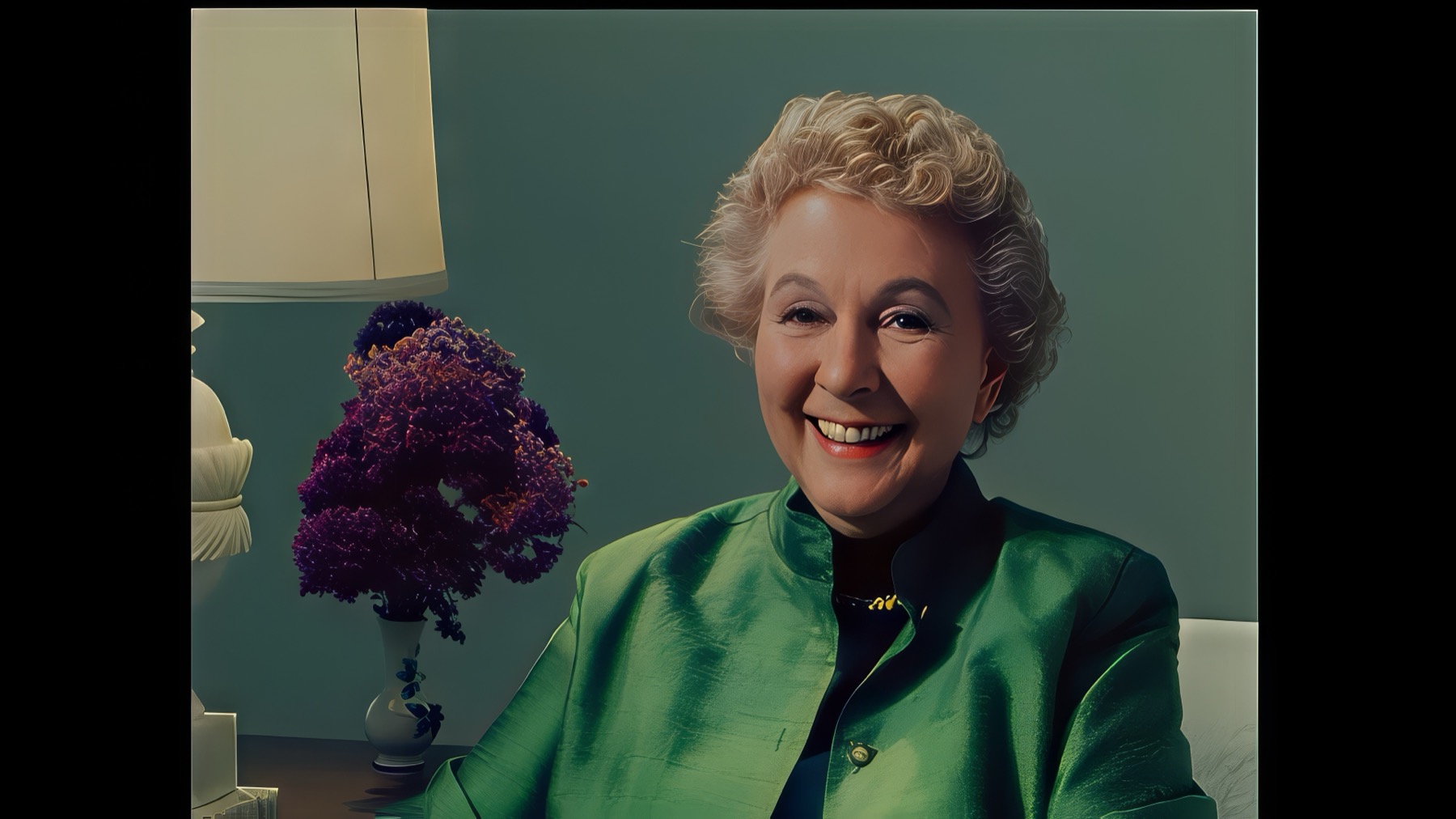
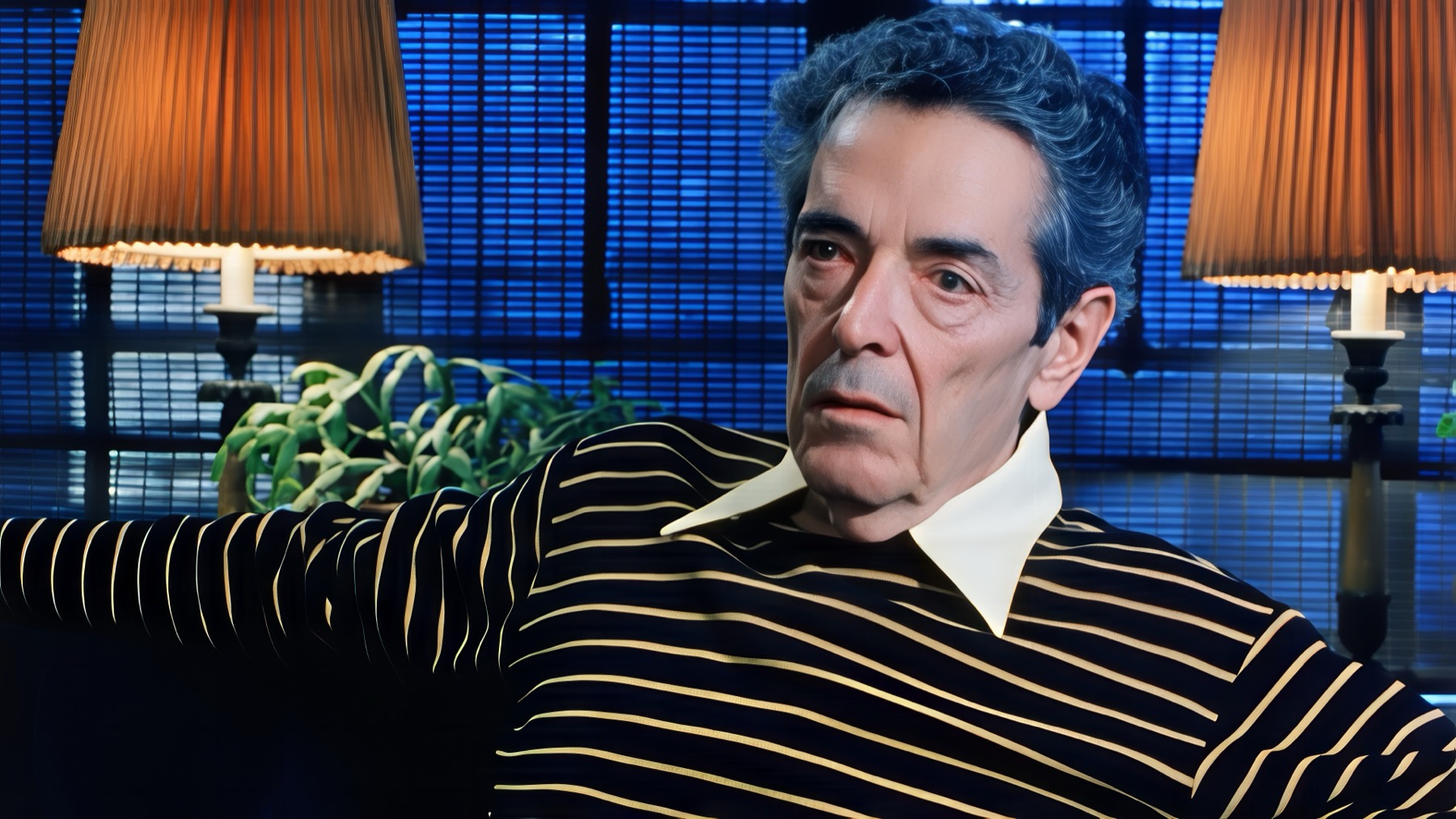
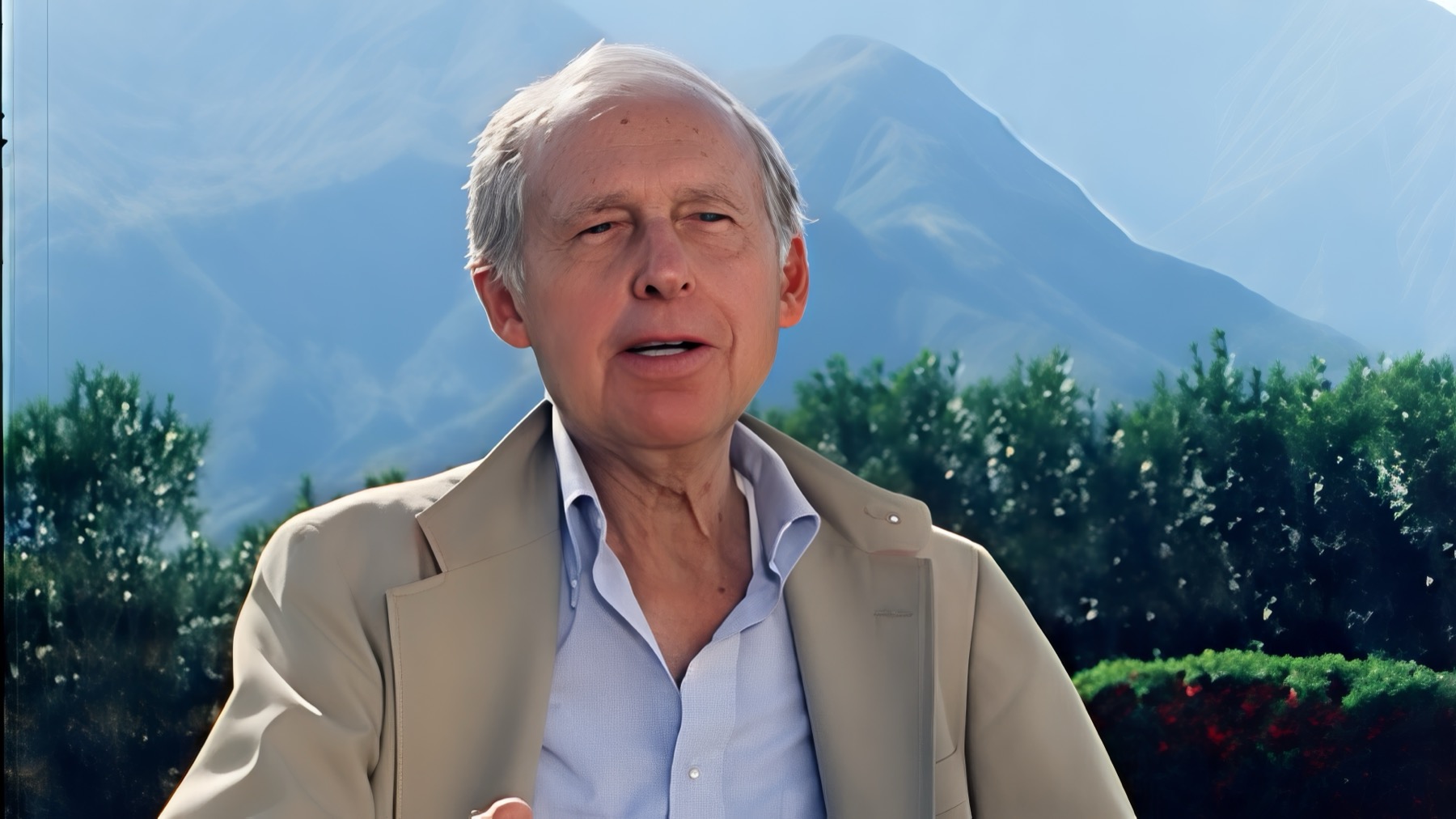
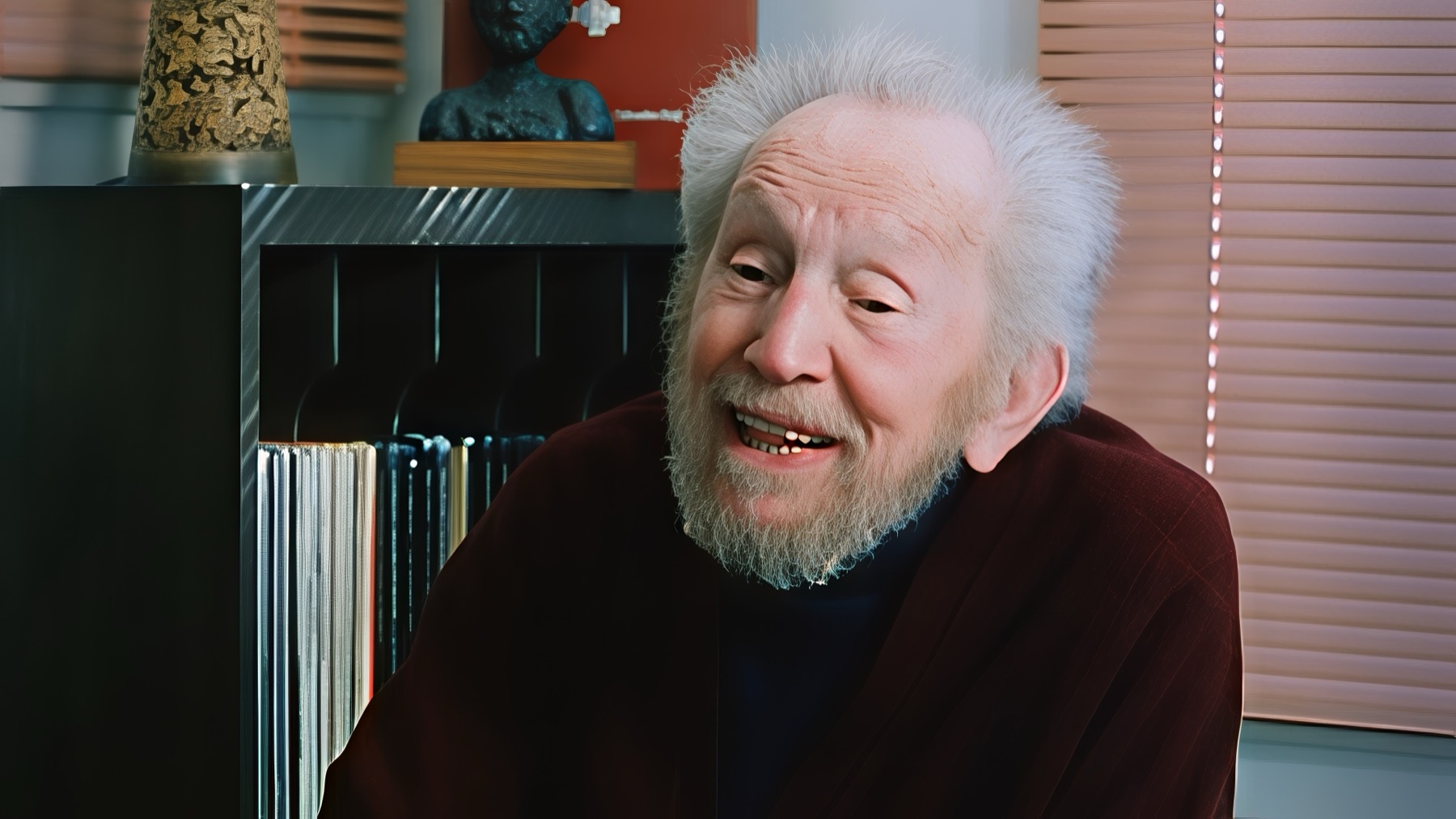
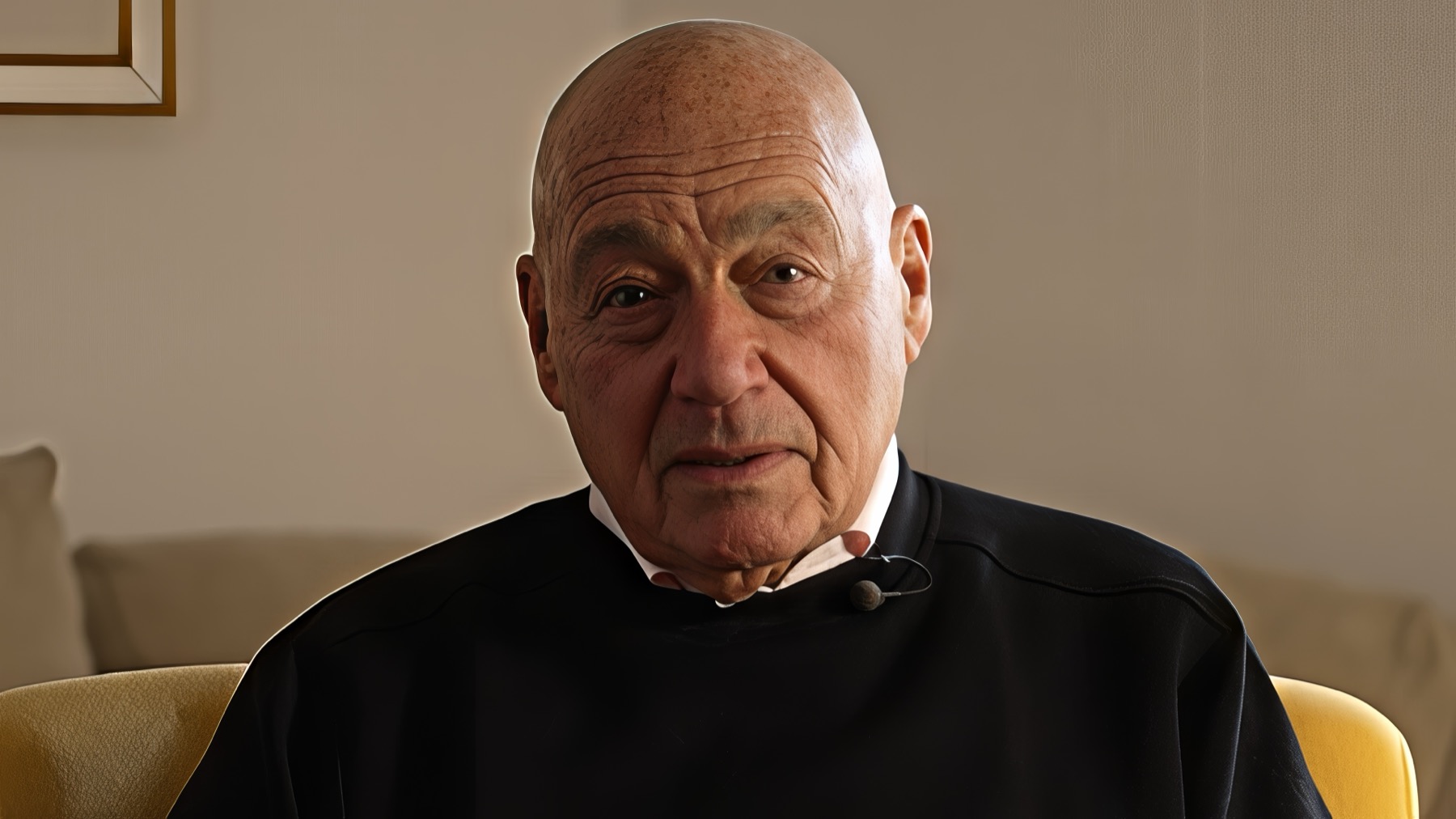
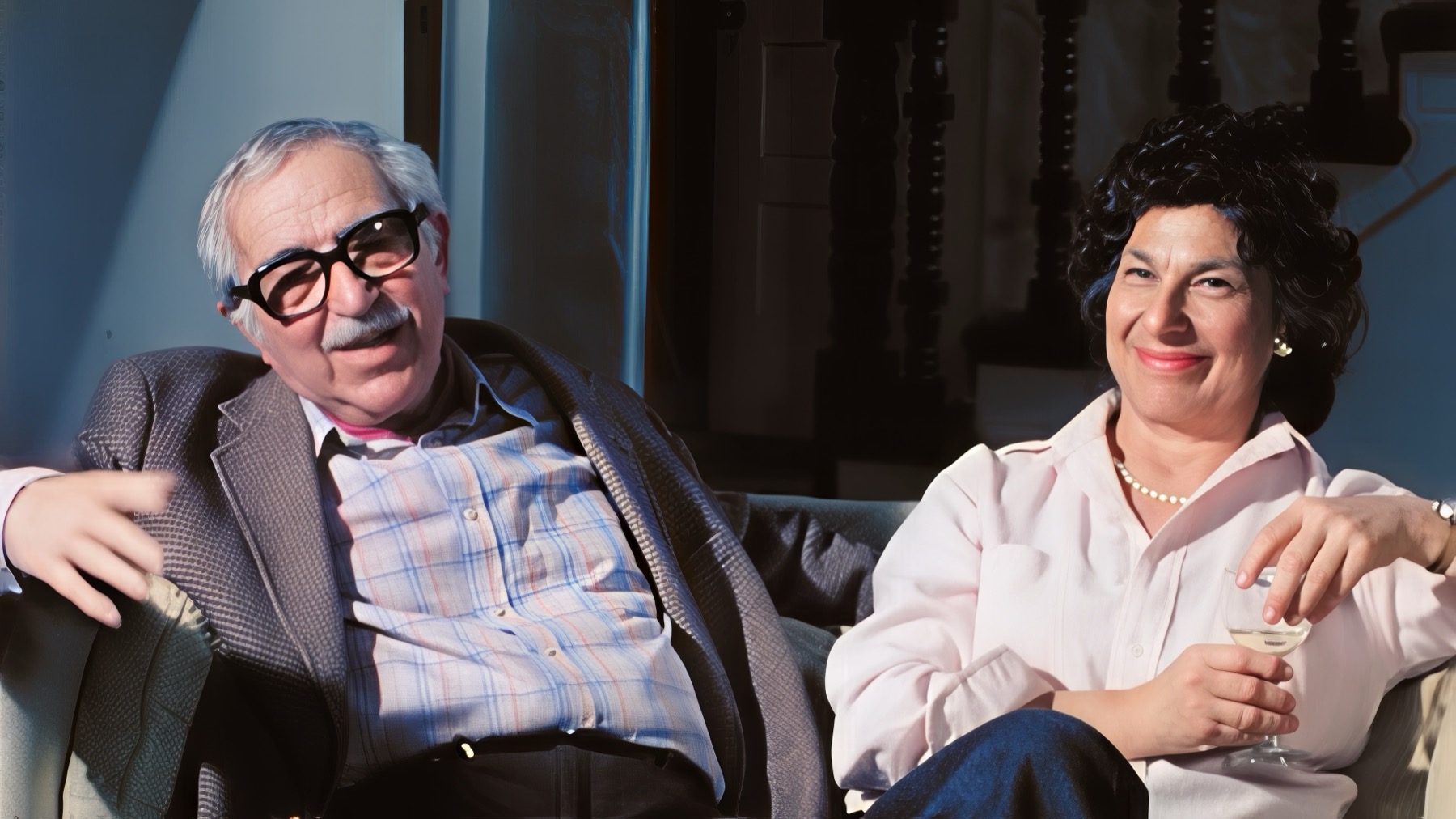
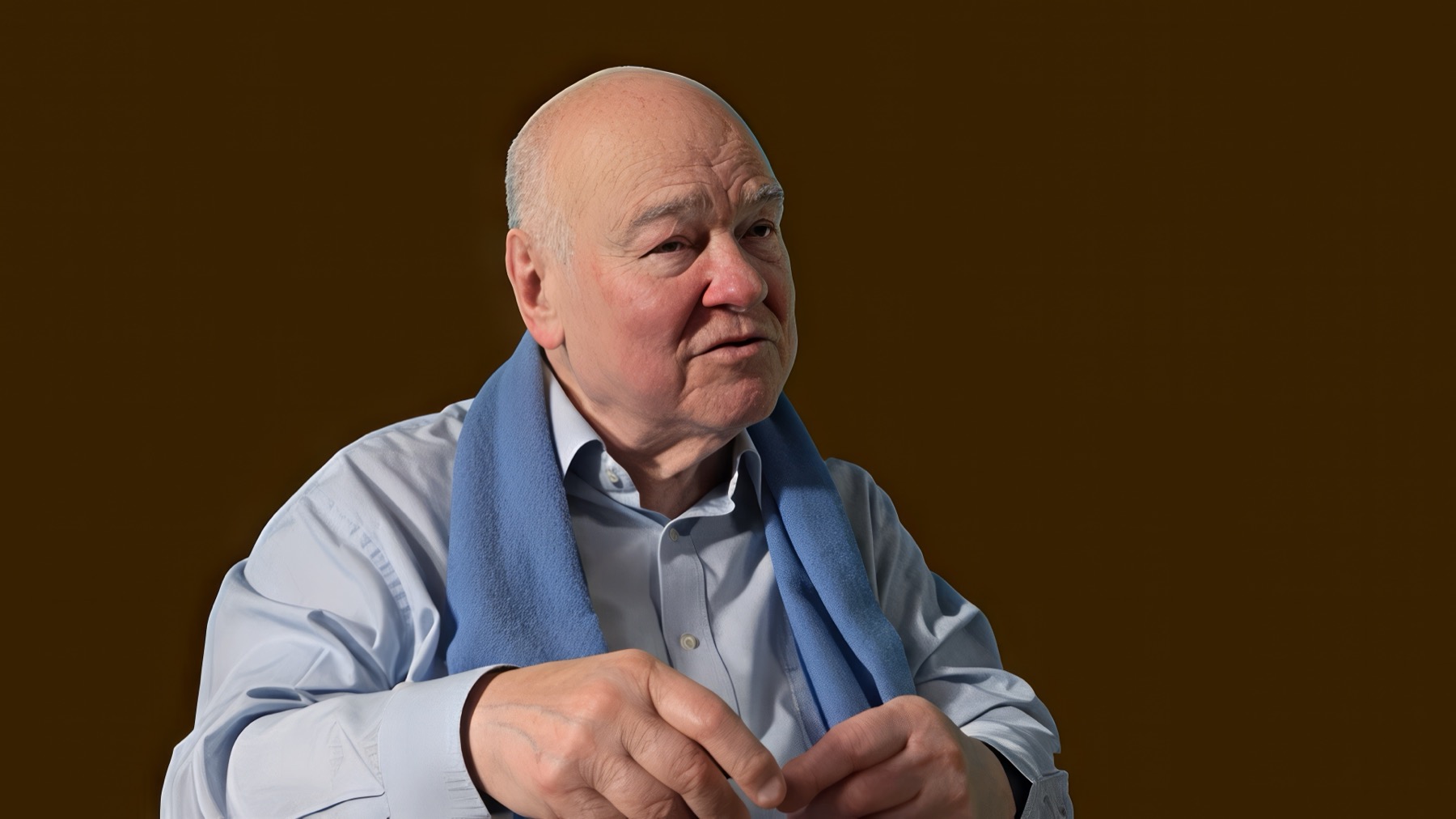
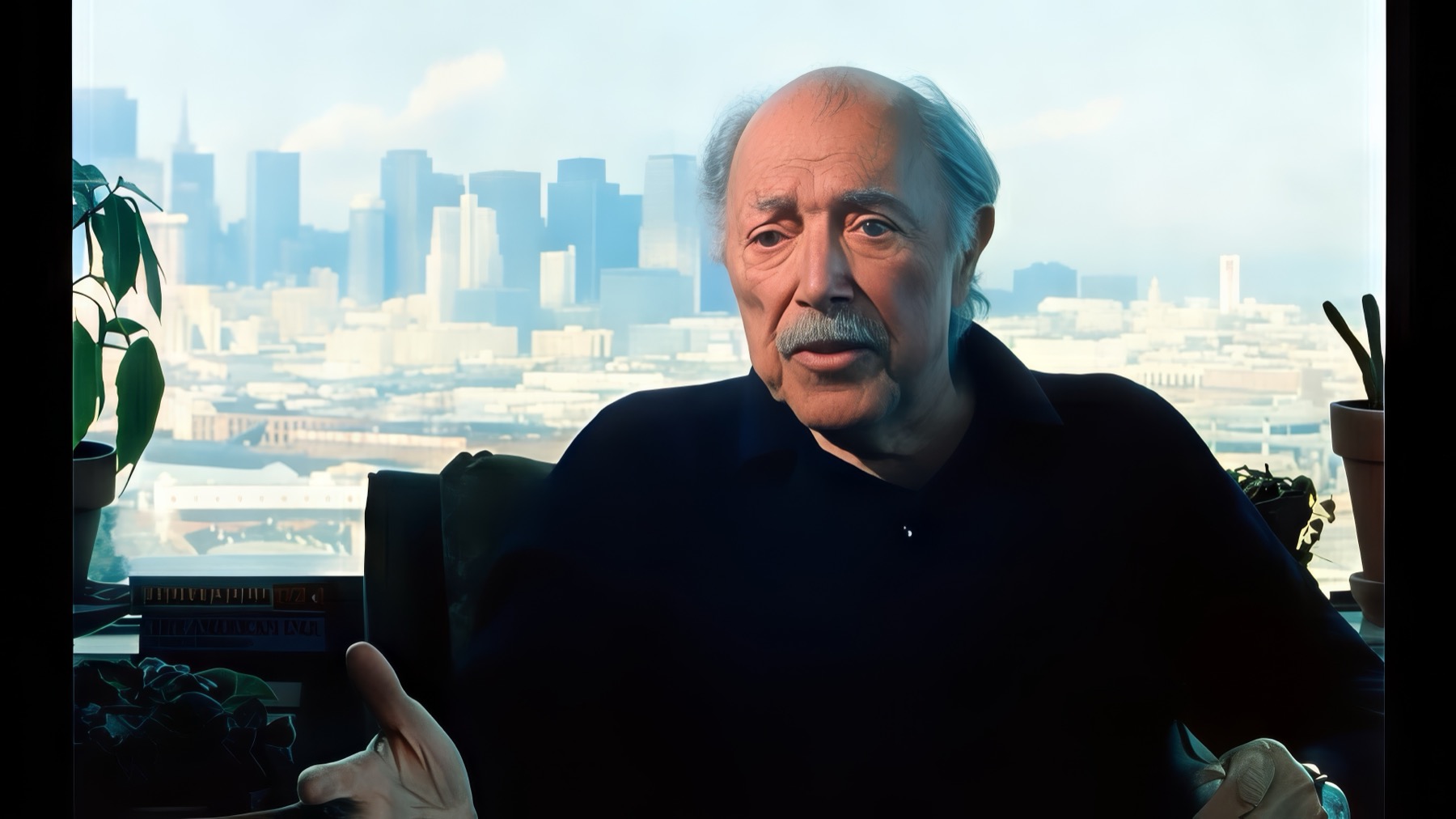
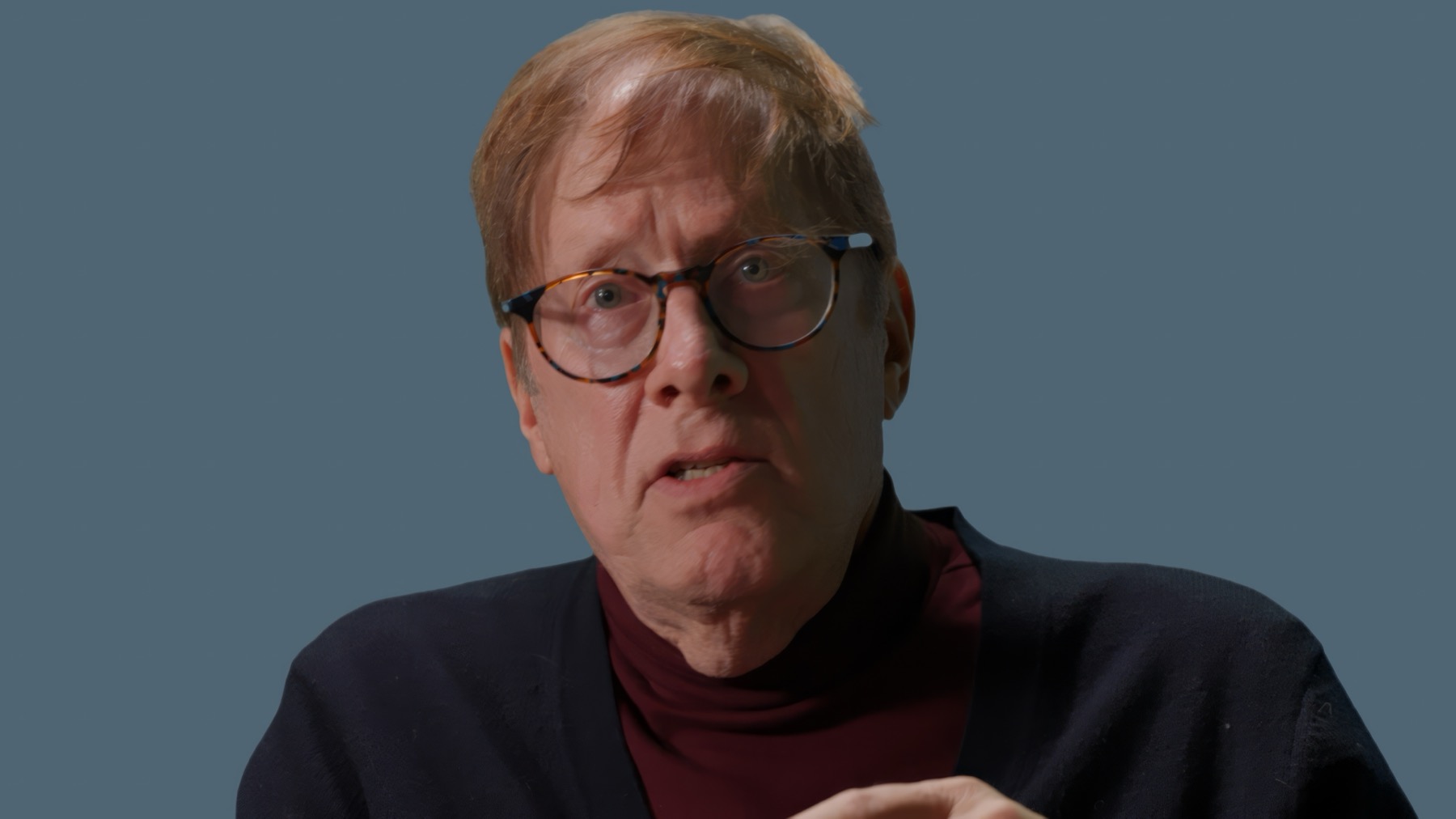
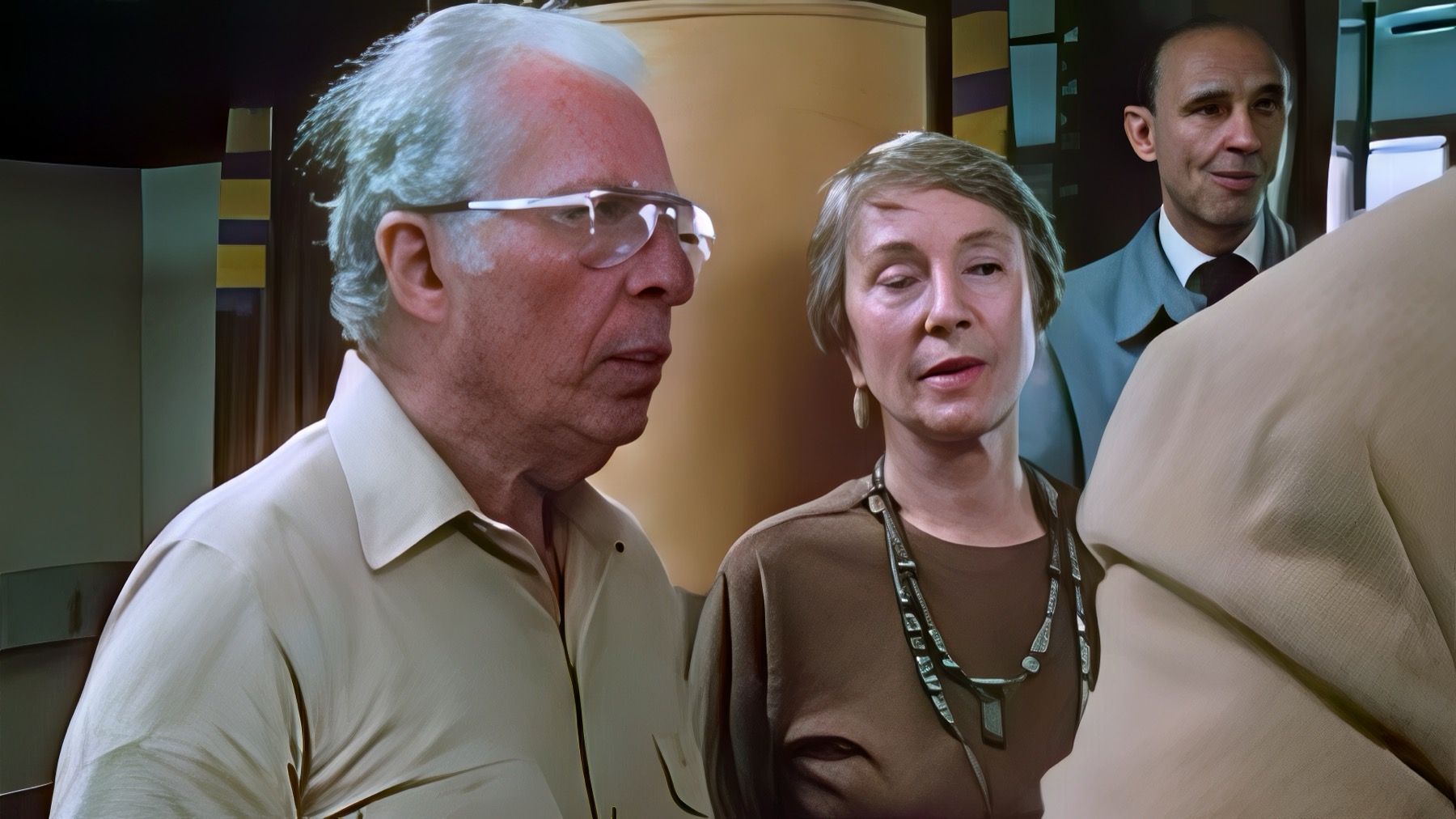
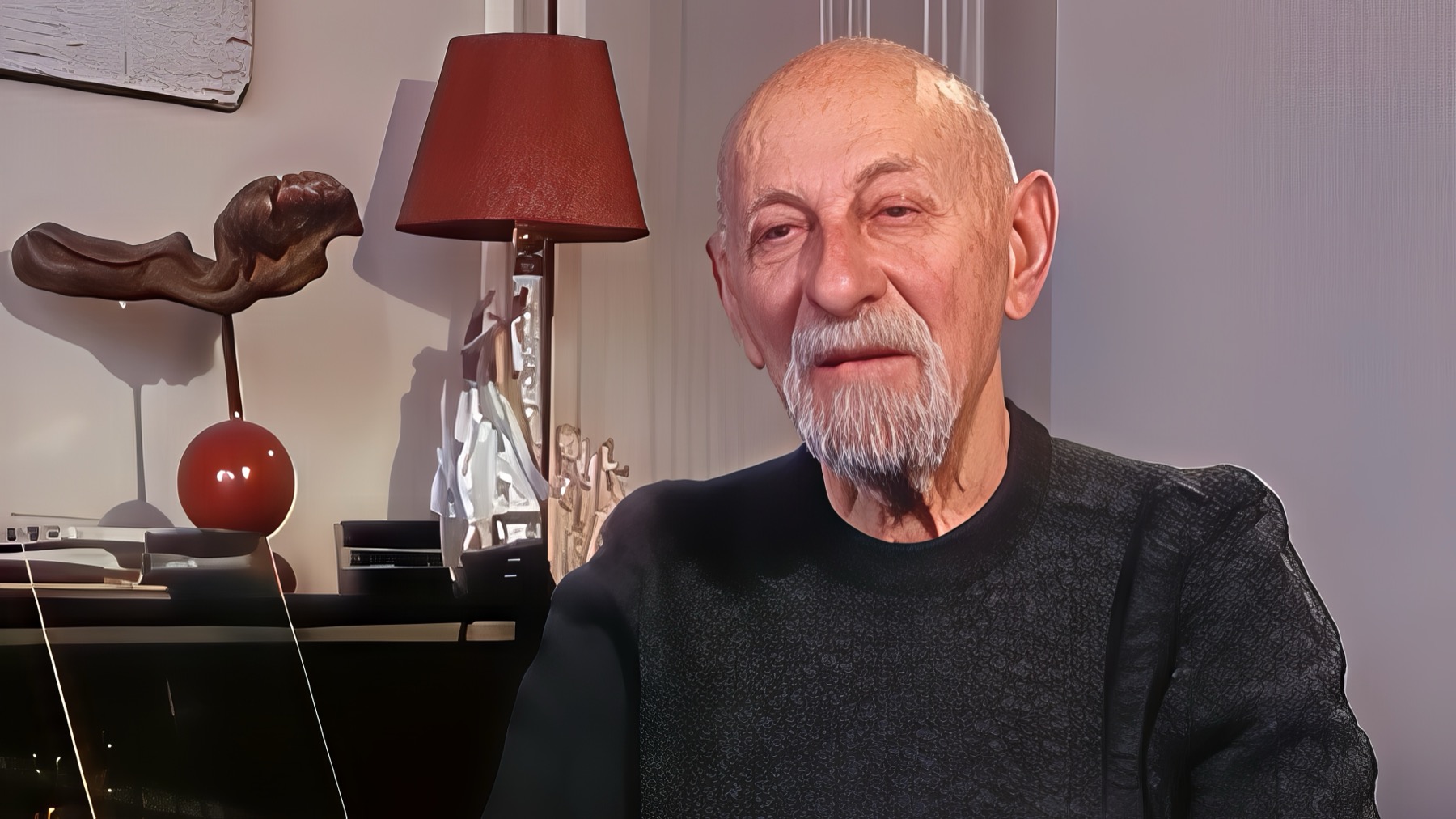
“The other documentary, The Hollywood Blacklist: The Survivors Tell Their Stories, is based on footage shot in 1983 Los Angeles where many of the surviving members of the blacklist join a dinner party. The footage, badly deteriorated over the years but now restored, remained unseen until now. It is directed by Marie-Dominique Montel and Christopher Jones and features Jules Dassin, Karen Morley, and Albert Maltz among many others.”
“A few days later, I watched another world premiere documentary: Marie-Dominique Montel and Christopher Jones’s The Hollywood Blacklist: The Survivors Tell Their Stories. The film is crafted from archival footage shot by film historian Pat McGilligan, who says, because of McCarthyism, ‘Hollywood was traumatized, and it changed forever,’ during a reunion of about a hundred or so blacklistees who came together one day in Los Angeles in 1983. The rushes were improperly stored for decades, causing significant damage. The filmmakers entrusted Blake Jones to digitally restore the footage, using new software he designed for the task.”
We are raising $50,000 USD to expand The Hollywood Blacklist: The Survivors Tell Their Stories from a 52-minute documentary into a 90-minute theatrical version. Contributions will fund the restoration of fragile archival footage, additional licensing, sound and music, festival submissions, and educational outreach.
All images and text © 2026 Cloud Studio SAS. All rights reserved.
For screening requests, interviews, and additional materials, please visit the official website or contact the production team through Cloud Studio.
Official Site: hollywoodreds.online
IMDb: www.imdb.com/title/tt43611321
Dropbox Assets: Dropbox Press Folder
Email: info@cloudstudio.me
All images and text © 2026 Cloud Studio SAS. All rights reserved.
Press kit compiled from the official website, IMDb, and the Dropbox press asset folder.